






Introduction
When people hear the word blockchain, they often think of Bitcoin or other cryptocurrencies. While digital currencies were the first major application of blockchain, the technology has grown far beyond the financial sector. Today, blockchain is revolutionizing industries with its transparency, security, and decentralized nature. From supply chain tracking to healthcare data management, blockchain is proving to be a game-changer in solving real-world challenges.
Supply Chain Management
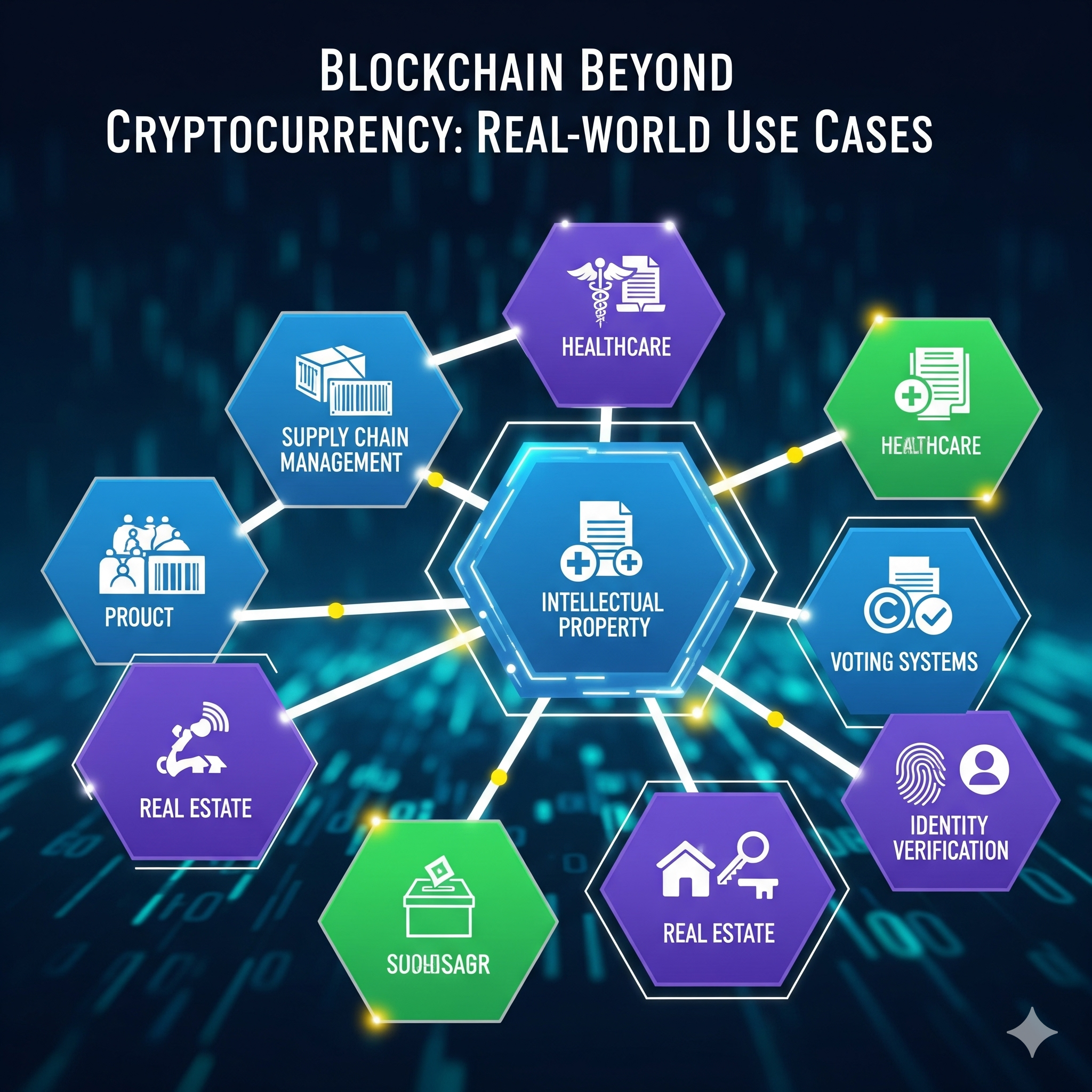
One of the most powerful applications of blockchain is in supply chain management. Businesses can use blockchain to track goods from production to delivery with complete transparency. This ensures authenticity, reduces fraud, and improves efficiency. For example, food companies use blockchain to trace the journey of products, guaranteeing safety and quality for consumers.
Healthcare Data Security
Healthcare is another industry where blockchain is making a significant impact. Patient data is highly sensitive and requires secure storage and sharing. Blockchain provides a decentralized system where records are encrypted and accessible only to authorized individuals. This not only strengthens data privacy but also improves collaboration among healthcare providers, leading to better patient outcomes.
Banking and Finance Beyond Cryptocurrencies
While cryptocurrencies introduced blockchain to the world, banks and financial institutions now use it for more than digital coins. Blockchain streamlines cross-border payments, reduces transaction costs, and ensures secure record-keeping. Smart contracts, powered by blockchain, also automate financial agreements, reducing human error and increasing efficiency in banking services.
Digital Identity Verification
Identity theft and fraud are major challenges in the digital world. Blockchain technology offers secure and verifiable digital identities that cannot be easily tampered with. Individuals can control access to their personal information, and organizations can verify identities quickly without relying on centralized databases. This innovation enhances trust in e-commerce, online services, and government platforms.
Real Estate and Property Transactions
Property transactions often involve complex paperwork and multiple intermediaries. Blockchain simplifies this process by storing property records in a secure, immutable ledger. Buyers and sellers can verify ownership instantly, reducing fraud and speeding up transactions. In some regions, governments are already exploring blockchain-based land registries.
Future Potential of Blockchain
The future of blockchain lies in its adaptability across industries. From voting systems and intellectual property protection to energy management and education, blockchain is providing solutions that prioritize transparency and trust. As adoption grows, businesses that embrace blockchain early will be better positioned to innovate and compete.
Final Thoughts
Blockchain technology is no longer limited to cryptocurrency. Its real-world use cases in supply chain, healthcare, banking, digital identity, and real estate prove its potential to transform industries. By focusing on transparency, security, and efficiency, blockchain is paving the way for a smarter and more trustworthy digital future.


